Your city’s shows and the people behind them
Oyfora App
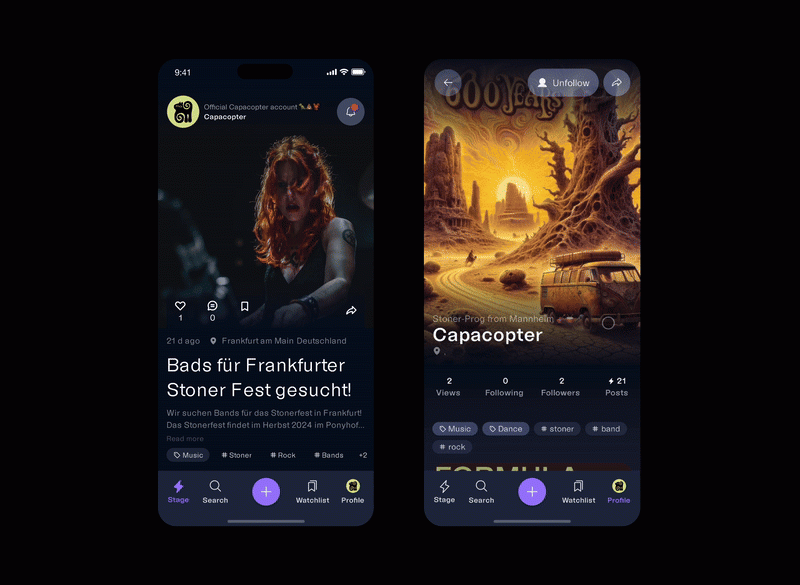
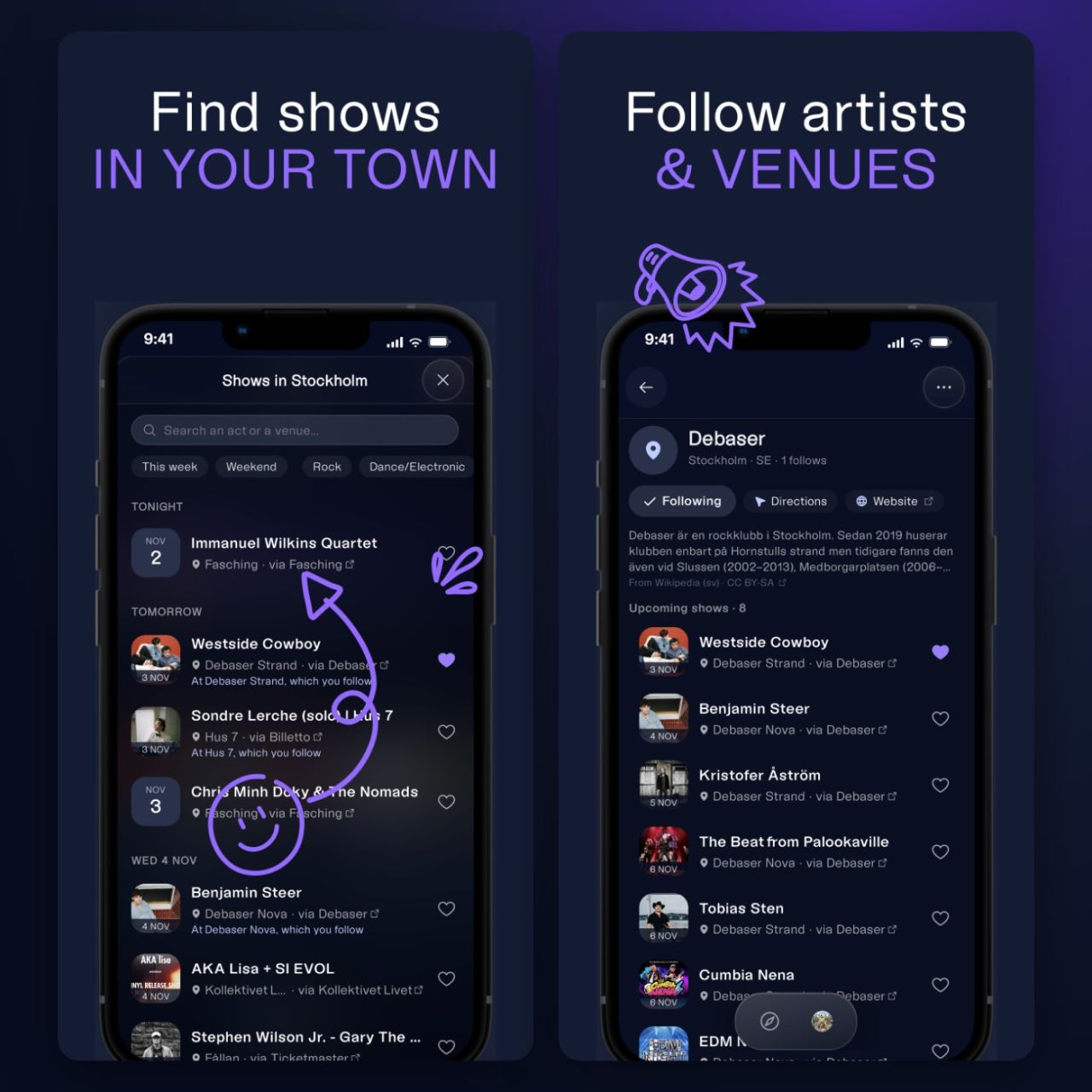
Oyfora is an app for live music. Fans find the shows in their city and follow the artists and venues behind them. It began in 2023 as a social network for artists; what follows is how user testing and real usage turned it into this. It runs on iOS, Android and the web: get the app.
What testing and usage showed
I design and build Oyfora on my own, so the loop is short: ship a screen, watch what happens, change it. More than 2,200 commits so far, out on the App Store, TestFlight and Play. Three things told me what was working: sitting with users, in-app analytics for what people actually opened, and TestFlight testers living with each build.
They all pointed the same way. By 2026 the app had grown to 77 features behind a 25-item menu, and in tests it read like an admin tool. People could not say what the feed was for. The contact manager and the chat over Bluetooth were clever and barely touched. Even gathering links, the thing the whole first version was built on, turned out not to be a problem anyone felt strongly enough to come back for.
The pattern underneath all of it: more features were not giving anyone a reason to return.
The decision: cut, then pivot
So I cut. The feed, the contact manager, the chat over Bluetooth and the paid storage plan all came out. If a screen could not say what it was for, it went, even when it had been hard to build.
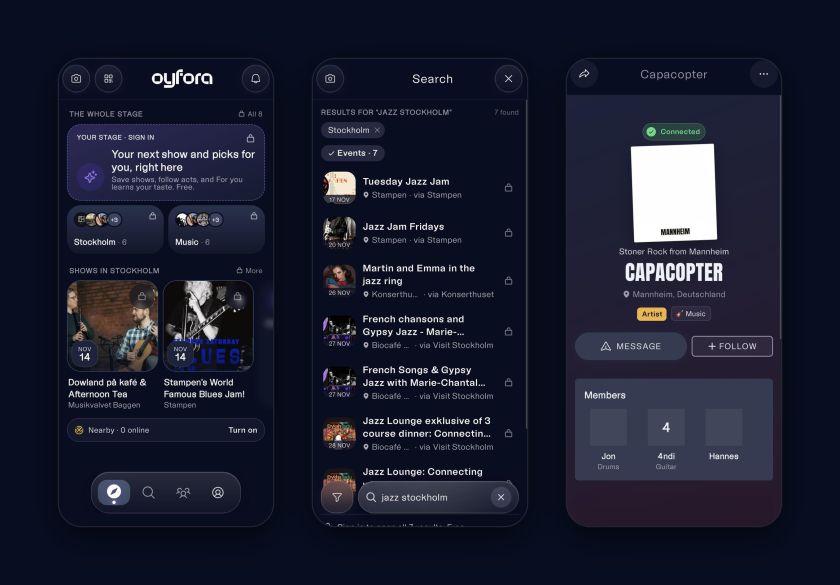
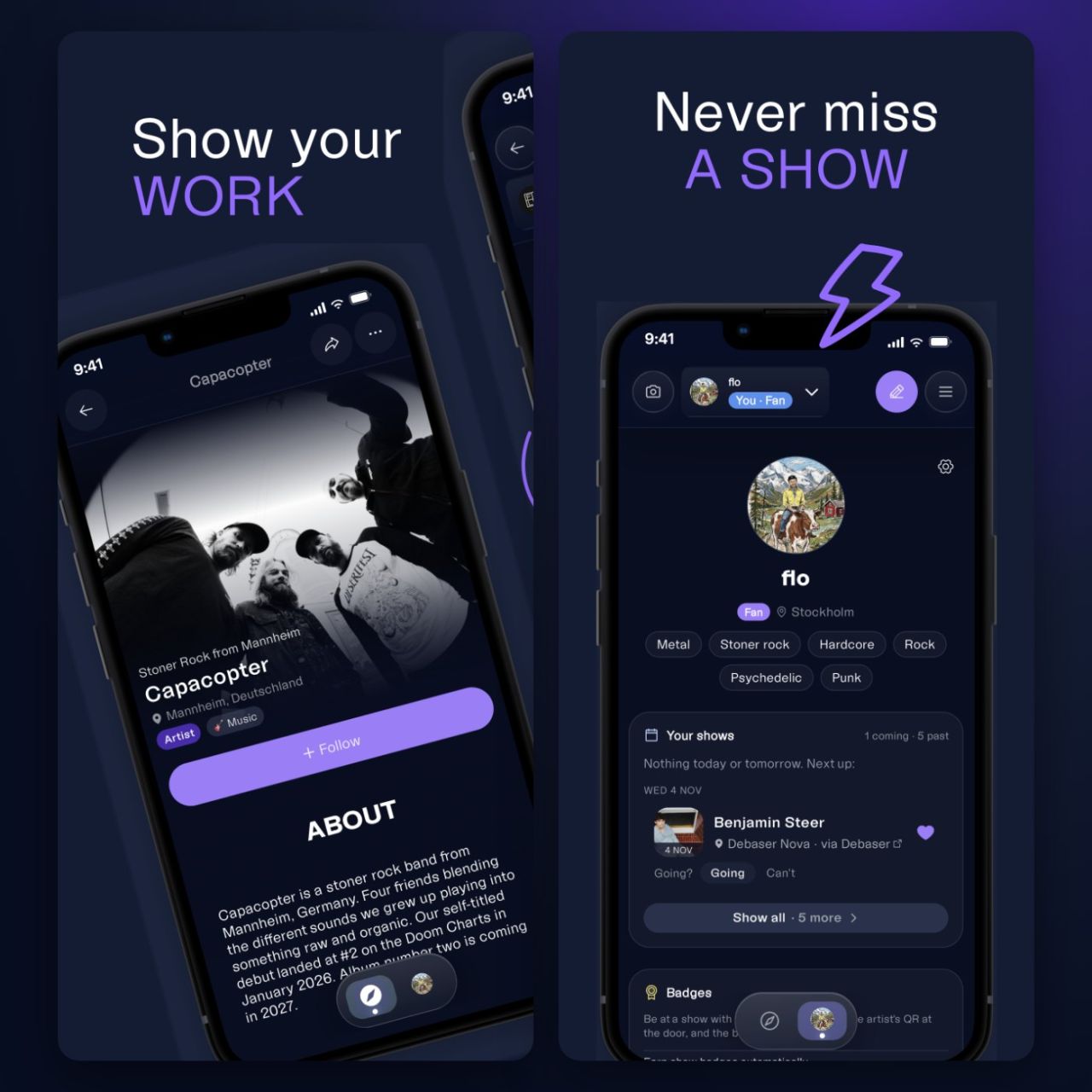
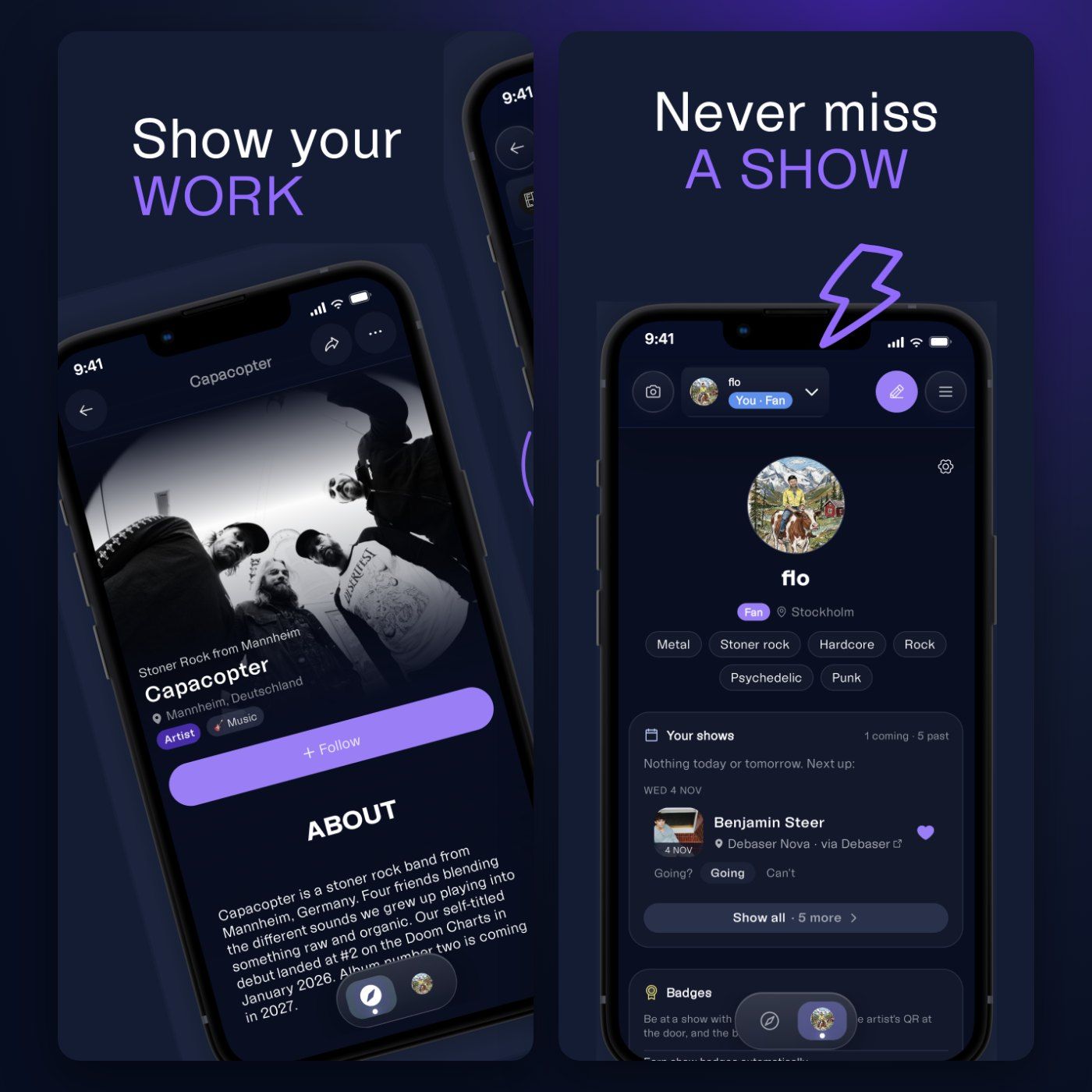
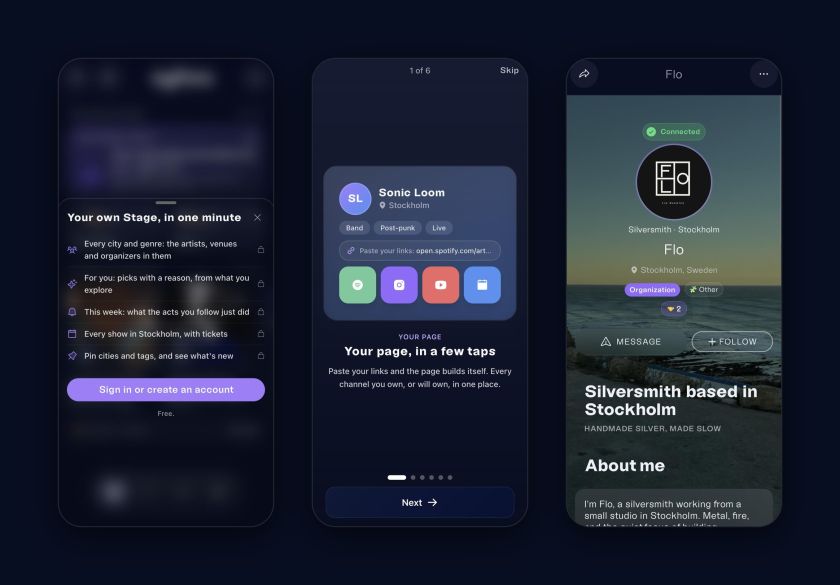
Then I changed what the app is for. Instead of an identity and network that artists had to feed, Oyfora now answers one question: what is on tonight. Fans follow artists and venues instead of connecting with them, so they can join without a career to manage, and shows and venue pages exist before anyone from that venue has signed up.
That turned it into a triangle of artists, venues and organisations, and fans, where each side gives the others a reason to show up: artists get their shows in front of people already looking, venues put their programme in front of the right city, and fans find what is on near them, so even a small act reaches the people who would actually come. For now, that triangle is aimed at live music first.


What it still has to prove
The real bet is that knowing who was actually at a show is the one thing only Oyfora can offer. It stays a hypothesis until fans collect real show badges, earned when your phone was at the venue during the show, so that is what I am testing next.
The same triangle could one day hold any kind of live, in-person work: a maker who runs a workshop, a space that hosts one. But music is where it has to earn it first.